Why Some Relationships Feel So Addictive: Love or Something Else?
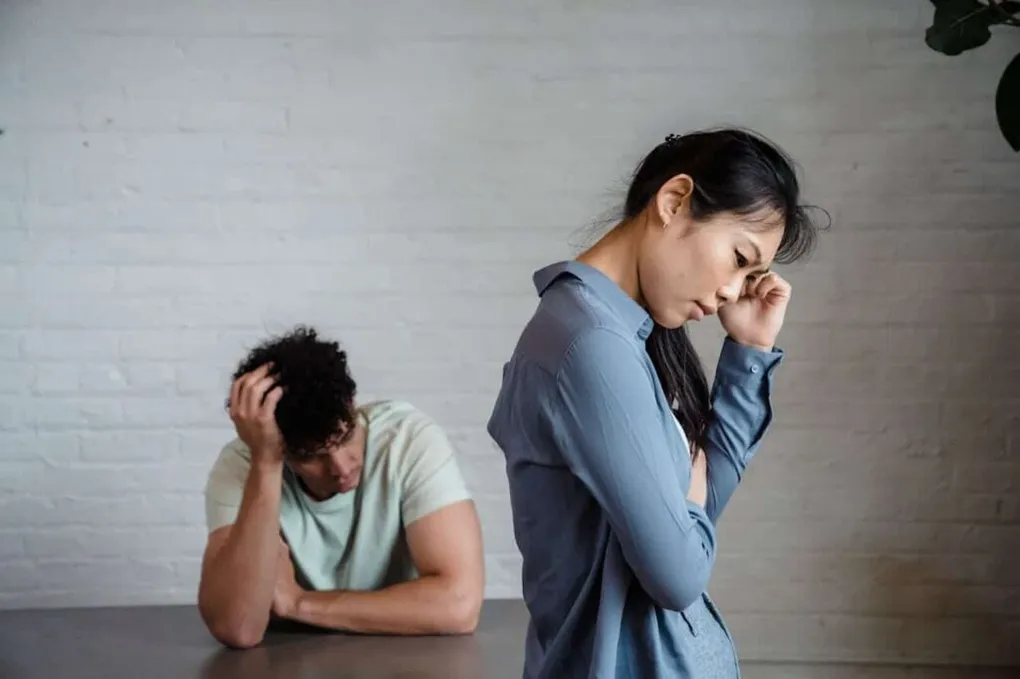

Some relationships feel like a pull you cannot explain.
No matter how much they hurt, confuse, or drain you, you still find yourself going back. You think about the person constantly. You feel high when things are good and completely broken when things go wrong. It feels intense, powerful—almost like love.
But here’s the uncomfortable question: is it really love, or is it something else?
Not every strong emotional connection is healthy. Sometimes, what feels like love is actually a pattern built on emotional highs and lows, attachment, and unresolved pain. This is often called an “addictive relationship” or, in deeper cases, a trauma bond.
Understanding the difference can change everything.
What Makes a Relationship Feel Addictive?
Addictive relationships are not always obvious. They don’t start as toxic or unhealthy. In fact, many begin with intense attraction, deep connection, and emotional closeness.
But over time, something shifts.
The relationship becomes unpredictable. There are moments of affection and warmth, followed by distance, confusion, or even emotional hurt. This cycle creates a powerful emotional loop.
Your mind begins to crave the “good moments,” even if they are rare. And because those moments feel so rewarding, you tolerate the painful ones in between.
This pattern is similar to how addiction works—intermittent rewards make the attachment stronger, not weaker.
1. The Highs Feel Extremely Intense
In an addictive relationship, the good moments feel almost magical.
When things are going well, you feel deeply loved, valued, and connected. These highs can feel stronger than anything you’ve experienced before. It creates the belief that the relationship is special or meant to be.
But intensity is not the same as stability.
Healthy love feels safe and steady. Addictive love feels like a rollercoaster—exciting, but exhausting.
2. The Lows Feel Deep and Personal
When things go wrong, it doesn’t just feel like a disagreement. It feels like rejection, loss, or emotional pain at a much deeper level.
You may overthink everything, blame yourself, or feel like you are “not enough.” The emotional drop after a high can feel overwhelming.
This contrast between highs and lows strengthens the emotional dependency.
3. You Find It Hard to Walk Away
Even when you know the relationship is hurting you, leaving feels almost impossible.
You may try to distance yourself, but something pulls you back—memories, hope, or the belief that things will change.
This is one of the strongest signs of an addictive pattern. It’s not just about love; it’s about attachment and emotional conditioning.
4. You Start Ignoring Red Flags
In the beginning, you might notice unhealthy behaviors—lack of communication, inconsistency, or emotional unavailability.
But over time, you begin to ignore or justify them.
You tell yourself things like, “They didn’t mean it,” or “It will get better.” You focus more on the good moments and minimize the negative ones.
This selective thinking keeps the cycle going.
5. Your Mood Depends on Them
Your emotional state becomes closely tied to the relationship.
If they are kind and attentive, you feel happy. If they are distant or cold, your mood drops instantly. It’s as if your happiness is no longer in your control.
Healthy relationships add to your life. Addictive ones begin to control it.
6. You Feel a Deep Emotional Attachment—Even Without Stability
You may feel strongly connected to the person, even if the relationship lacks trust, consistency, or clear communication.
This attachment can feel like love, but it is often rooted in emotional dependency rather than mutual understanding.
Love grows in stability. Trauma bonds grow in chaos.
7. You Keep Hoping for Change
Hope is powerful. But in addictive relationships, it can keep you stuck.
You remember how things were at the beginning, or you hold onto small moments of kindness as proof that things can improve.
While change is always possible, relying only on hope—without real, consistent effort from both sides—can keep you in an unhealthy cycle.
8. You Lose a Sense of Yourself
Over time, you may notice that you are no longer the same person.
Your priorities shift. Your confidence may decrease. You might stop doing things you once enjoyed or distance yourself from others.
This is a quiet but serious sign. A healthy relationship should support your identity, not erase it.
So, Is It Love or a Trauma Bond?
The difference between love and a trauma bond is not always easy to see, especially when emotions are involved.
But there are some important distinctions:
- Love feels safe, even during conflict.
- Addictive attachment feels uncertain and anxiety-driven.
- Love is consistent.
- Addictive patterns are unpredictable.
- Love respects boundaries.
- Trauma bonds often ignore or cross them.
- Love helps you grow.
- Unhealthy attachment can hold you back.
This doesn’t mean that every difficult relationship is a trauma bond. All relationships have ups and downs. But when pain, confusion, and emotional dependency become the pattern, it’s worth paying attention.
Why Do People Stay in Such Relationships?
There is no single answer.
Sometimes, it comes from past experiences—childhood patterns, emotional neglect, or previous relationships that shaped how we understand love.
Sometimes, it’s the fear of being alone. Other times, it’s the belief that this is the best we can have.
And sometimes, it’s simply the addictive cycle itself.
Understanding the reason is not about blaming yourself. It’s about gaining clarity.
What Can You Do About It?
The first step is awareness.
Once you begin to recognize the pattern, you can start making conscious choices. This might mean setting boundaries, seeking support, or slowly creating distance.
It’s not always easy. Emotional attachments take time to build, and they take time to break.
But choosing your well-being is always worth it.
Final Thoughts
Not every intense relationship is true love.
Sometimes, what feels powerful is actually unstable. What feels deep may be rooted in emotional patterns rather than genuine connection.
Real love is not supposed to feel like a constant struggle. It doesn’t leave you confused about your worth or emotionally drained all the time.
It feels safe. It feels steady. It allows you to be yourself without fear.
And most importantly, it doesn’t make you feel addicted—it makes you feel at peace.