Thinking, Fast and Slow – A Deep Dive into How Our Minds Work

🧠 About the Book
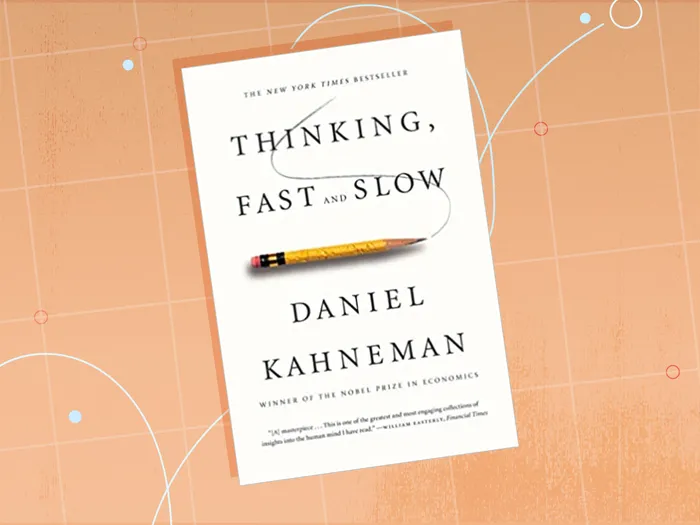
“Thinking, Fast and Slow” is a powerful book that explains how the human brain thinks — and often misthinks.
Written by Nobel Prize winner Daniel Kahneman, this book explores how two systems in our mind control the way we think, make decisions, and form judgments.
It’s not just another psychology book — it’s a science-backed guide to understanding your own brain, complete with real-life examples, studies, and stories.
👤 About the Author
Daniel Kahneman is a psychologist and economist who won the Nobel Prize in Economics in 2002.
His work laid the foundation for what we now call behavioral economics — the study of how real people (not perfect ones) make decisions.
Together with his longtime collaborator Amos Tversky, Kahneman discovered that we’re not as rational as we think. Their research exposed how biases, emotions, and shortcuts shape our thinking in everyday life.
📘 Summary: What’s Inside the Book?
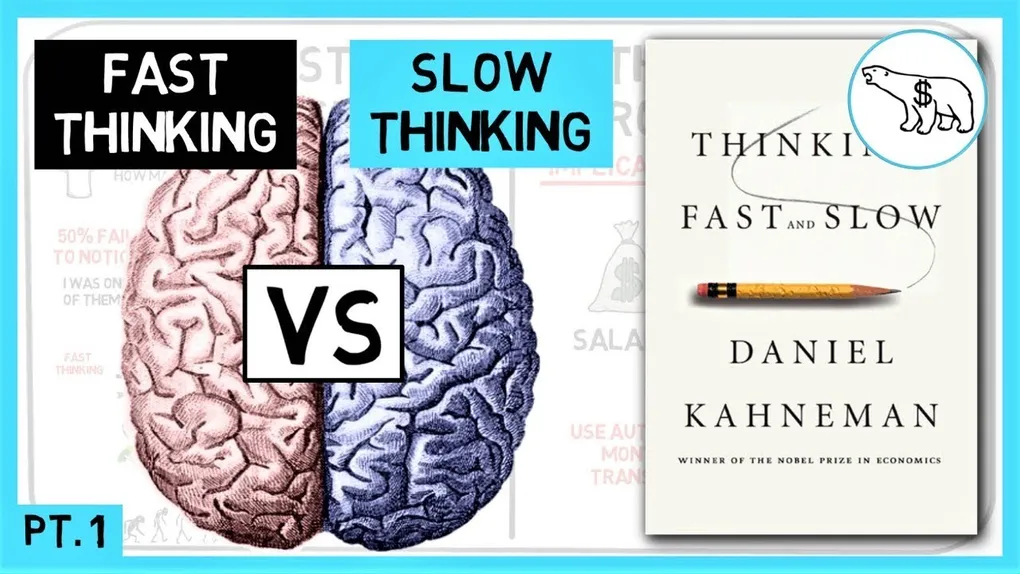
Kahneman introduces two types of thinking:
| System | Description |
|---|---|
| System 1 | Fast, intuitive, emotional. It works automatically and often helps us make snap decisions. But it’s also prone to errors. |
| System 2 | Slow, deliberate, logical. It takes effort and energy, and we use it when we really think things through — like solving a math problem or planning ahead. |
The core idea?
Much of what we believe to be rational is actually driven by unconscious shortcuts, past experiences, and mental habits that can lead us astray.
⭐ Reviews From Real Readers
Here’s a snapshot of how readers from around the world have responded to the book:
| Platform | Rating | Review Summary |
|---|---|---|
| Goodreads | ★★★★★ | “Mind-blowing! This book made me question how I think about everything — money, choices, even conversations.” |
| Amazon | ★★★★☆ | “Dense but incredibly insightful. Take your time with it. Worth every page.” |
| Audible | ★★★★★ | “Listened to the audiobook twice. Kahneman’s ideas are powerful and apply to every area of life.” |
| Blinkist | ★★★★☆ | “Great summary but the full book is even better. So many real-life applications.” |
| ★★★★★ | “If you’re into decision-making, psychology, or economics — this book is like a masterclass.” |
🔑 Key Lessons from the Book
Here are some of the most important ideas you’ll take away from Thinking, Fast and Slow:
1. The Brain Is Lazy — and That’s Normal
We often rely on System 1 because it’s fast and effortless. But it can also lead us to jump to conclusions without proper reasoning.
2. Cognitive Biases Are Everywhere
From the availability bias (thinking something is more common because we heard about it recently) to the halo effect (judging people based on one trait), Kahneman shows how these invisible biases shape our decisions.
3. Losses Feel Worse Than Gains
We hate losing more than we enjoy winning. This is called loss aversion, and it explains a lot about human behavior — in money, relationships, and risk-taking.
4. Overconfidence Is Dangerous
People often believe they know more than they do. Kahneman explores how this leads to poor decisions, especially in business and politics.
5. Intuition Can Be Wrong — But Also Useful
System 1 isn’t always bad. In fact, trained intuition (like that of a firefighter or chess master) can be very powerful. But it’s important to know when to trust it — and when to slow down and analyze.
🤔 Why This Book Still Matters
“Thinking, Fast and Slow” isn’t a light read — but it’s one of the most important books you’ll ever pick up.
-
It changes the way you see your own mind.
-
It helps you understand others — and why they behave the way they do.
-
And most of all, it gives you tools to make better decisions, both personally and professionally.
Whether you’re a student, a manager, a writer, or just someone curious about psychology — this book will change the way you think about thinking.
🔚 Final Thoughts
This is not a book you read in one night. But if you give it time, Thinking, Fast and Slow will give you a lifetime of value.
It’s not just about being “smart” — it’s about becoming more aware, more careful, and more in control of your choices.
You’ll start noticing things about yourself and the world that you never saw before.
So take it slow. Let it sink in. And enjoy the journey of becoming a clearer, more thoughtful thinker.