The Real Reason You Procrastinate Has Nothing to Do With Laziness

You have a deadline. You know it’s important. You’ve told yourself a hundred times to just start.
And yet — here you are. Scrolling your phone. Reorganizing your desk. Watching a video about productivity instead of being productive.
You call yourself lazy. You feel guilty. You promise to do better tomorrow.
But tomorrow, the same thing happens.
Here’s the truth: procrastination has nothing to do with laziness. It’s not a time management problem. It’s an emotional regulation problem.
You’re Not Avoiding the Task. You’re Avoiding the Feeling.
When you procrastinate, you’re choosing something easier over something uncomfortable.
Why? Because the task makes you feel something unpleasant.
Maybe it’s anxiety — “What if I do it wrong?” Maybe it’s overwhelm — “This is too big.” Maybe it’s perfectionism — “If I can’t do it perfectly, why bother?” Maybe it’s self-doubt — “I’m not smart enough.”
The task isn’t the problem. The emotion attached to it is.
Your brain’s solution? Avoid the emotion by avoiding the task. Open Instagram. Clean the house. Start something easier.
Procrastination is your brain protecting you from discomfort. But it creates even more discomfort in the long run.
Perfectionism Is Procrastination in Disguise
If you’re a perfectionist, you might not see yourself as a procrastinator. You think you have “high standards.”
But here’s what’s happening: you delay starting because you’re terrified of not being good enough. If you never start, you never fail.
So you wait for the “right moment.” You research endlessly. You plan and plan — but never execute.
Perfectionism isn’t about doing great work. It’s about avoiding judgment.
The antidote? Give yourself permission to do it badly. A bad first draft is infinitely better than a perfect blank page.
Your Brain Is Wired for Instant Gratification
Your brain has two systems fighting each other:
- The limbic system — wants pleasure right now.
- The prefrontal cortex — plans long-term.
When you procrastinate, the limbic system wins. Scrolling gives you dopamine now. Working on that report gives you satisfaction… eventually.
The trick isn’t to fight your brain. It’s to make the task feel more immediately rewarding.
Break it into tiny pieces. Set a timer for 10 minutes. Promise yourself a small reward after.
The Guilt Cycle Makes Everything Worse
- You avoid the task.
- You feel guilty.
- Guilt makes you feel worse.
- Feeling worse makes the task scarier.
- You avoid it more.
- Repeat forever.
The way out isn’t to beat yourself up harder. It’s to be kinder to yourself.
Self-compassion actually reduces procrastination. When you stop punishing yourself, the task feels less scary. And you’re more likely to start.
5 Things That Actually Help
1. The 2-Minute Rule: If a task takes less than 2 minutes, do it now.
2. Shrink the task: Instead of “write the report,” try “write the first sentence.”
3. Remove distractions physically: Phone in another room. Close unnecessary tabs.
4. Set a timer: “I’ll work for just 10 minutes.” Once you start, you’ll usually keep going.
5. Forgive yourself fast: Missed a deadline? Don’t spiral. Ask: “What’s the smallest thing I can do right now?”
Final Thoughts
You’re not lazy. You never were.
You’re a person with a brain that’s trying to protect you from uncomfortable feelings. That’s very human.
The goal isn’t to never procrastinate again. It’s to catch yourself, understand why, and gently redirect.
Progress, not perfection.
A Book That Will Actually Fix This
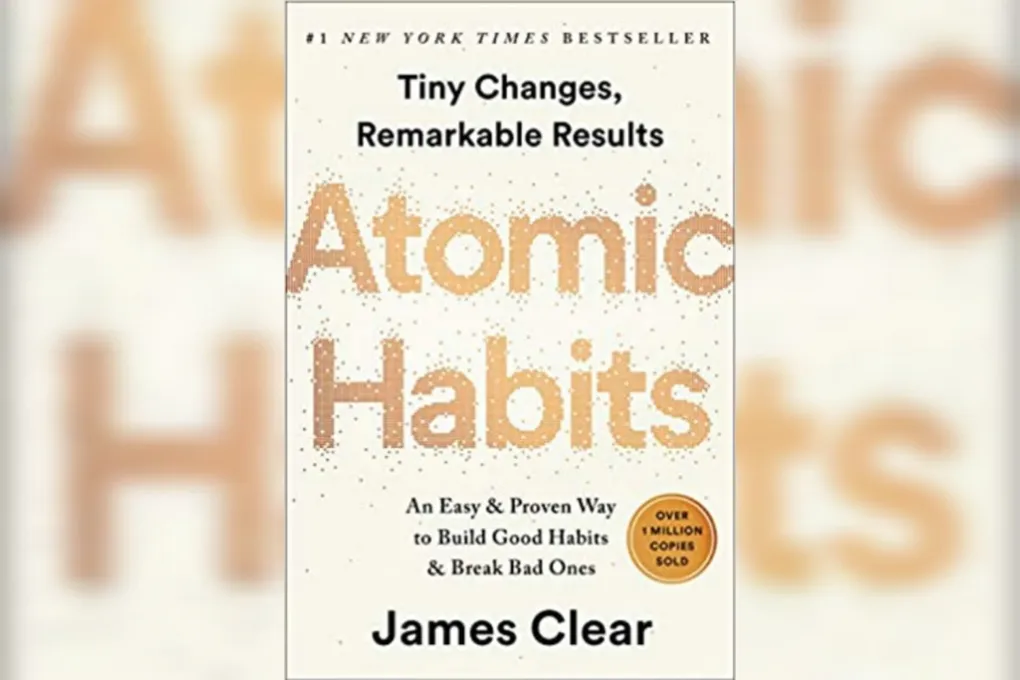
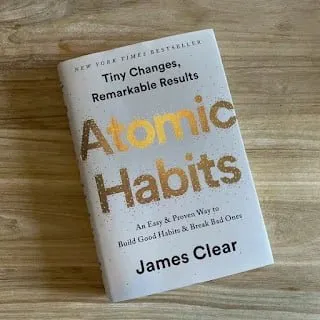
If procrastination has been stealing your time and peace, read “Atomic Habits” by James Clear. It gives you a simple system for building tiny habits that stick — even when motivation disappears.
Disclaimer: We earn a small commission from qualifying purchases at no additional cost to you.