The Communication Book: 44 Ideas That Will Make You a Better Listener, Speaker & Thinker

📘 About the Book
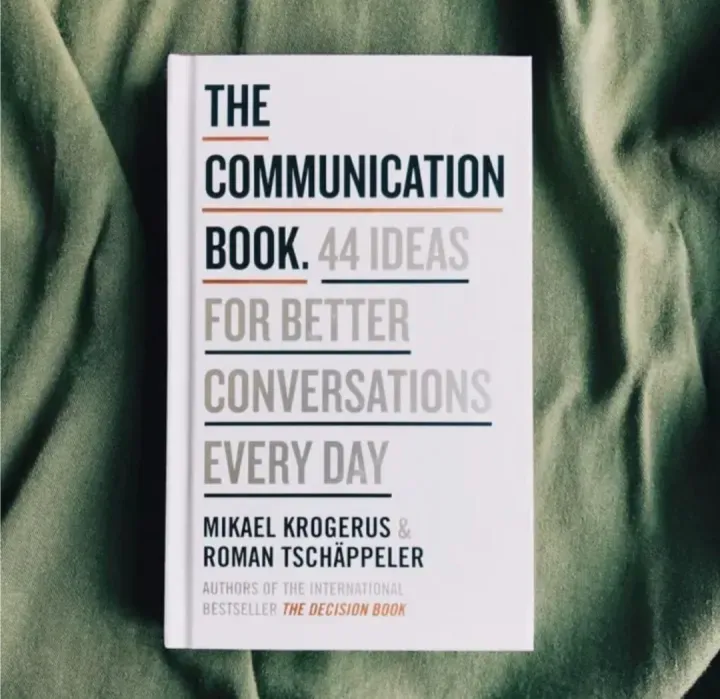
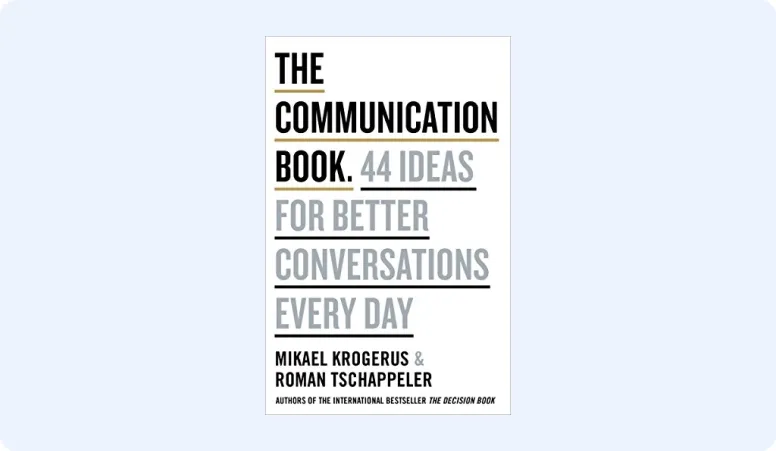
The Communication Book is a compact and clever guide by Mikael Krogerus and Roman Tschäppeler that breaks down communication into 44 bite-sized models. Each idea is backed by research and psychology but explained so simply, you can actually apply it to real life.
Whether you’re a student, professional, leader, or just someone who wants fewer awkward moments and better conversations — this book is your go-to playbook.
👥 About the Authors
-
Mikael Krogerus is a journalist with a background in political science.
-
Roman Tschäppeler is a creative producer and concept developer.
Together, they’ve co-authored several bestselling books on thinking, decision-making, and now communication — turning complex ideas into easy, visual, and practical formats.
🧠 Summary — What the Book is Really About
The Communication Book explores the idea that communication is not about what you say — it’s about what the other person understands.
Through 44 short chapters, the book introduces models and techniques from psychology, neuroscience, and management to help you:
-
Listen better
-
Express yourself clearly
-
Understand what others truly mean
-
Navigate conflict
-
Influence and lead with clarity
Each chapter is just 2 pages long, with illustrations and examples — making it an ideal daily reader or coffee table book that actually improves your life.
⭐ Reader Reviews (Summarized)
| Rating | Feedback |
|---|---|
| ★★★★★ | “Brilliantly simple. Each chapter is like a mini masterclass.” |
| ★★★★☆ | “Great book to dip in and out of. Super practical and visual.” |
| ★★★★☆ | “Perfect for anyone who wants to get better at talking and listening.” |
| ★★★★★ | “I use this in my workplace now — makes meetings and emails way more effective.” |
| ★★★★☆ | “Not too deep, but a powerful toolkit for everyday situations.” |
📌 10 Simple Yet Powerful Lessons from The Communication Book
1. The Four-Sides Model
Every message has 4 sides: what you say, what you mean, how you feel, and what you want. Most miscommunication happens when these get mixed up.
2. Active Listening is a Superpower
Instead of planning what to say next, focus 100% on the speaker. Pause before responding. It shows care — and improves connection instantly.
3. The Johari Window
There are things you know about yourself and things others know. Good communication means shrinking your “blind spot” and being open to feedback.
4. Think of Communication as a Bridge
You’re not just “sending” words. You’re building a mental bridge to someone else’s brain. Focus on what helps them cross.
5. Less is More
Good communicators don’t use big words to sound smart — they make ideas easy to grasp. Short sentences. Clear intent. That’s the secret.
6. Silence is Part of the Message
In a noisy world, silence is powerful. Don’t rush to fill the gaps. Pause. It gives weight to your words and shows control.
7. Non-Verbal Cues Speak Louder
Body language, eye contact, tone — they shape how your words are received. Communication is more than words. Learn to read the room.
8. Tailor Your Message to the Audience
Whether you’re texting a friend or pitching an idea to a CEO, adjust your tone, style, and clarity. Communication isn’t one-size-fits-all.
9. Ask More Questions
People open up when they feel heard. Asking thoughtful questions not only improves connection — it shows emotional intelligence.
10. Feedback is Not Criticism
Constructive feedback is a gift. Learn how to give and receive it without ego. It’s how people grow, teams improve, and trust builds.
✅ Final Thoughts — Communication Is a Skill You Can Learn
You don’t need to be an extrovert or a genius to communicate well. You just need the right mindset, tools, and awareness — and The Communication Book offers all three.
If you’ve ever struggled to express yourself, misunderstood someone, or wished your ideas landed better — this book is your guide.
“Great communication isn’t about being impressive. It’s about being understood.”