Rich Dad Poor Dad Explained: Simple Lessons That Can Change Your Financial Life

Most of us grow up with a simple idea: study hard, get a good job, earn a stable salary, and save money.
It sounds safe. Logical. Responsible.
But what if that’s not enough?
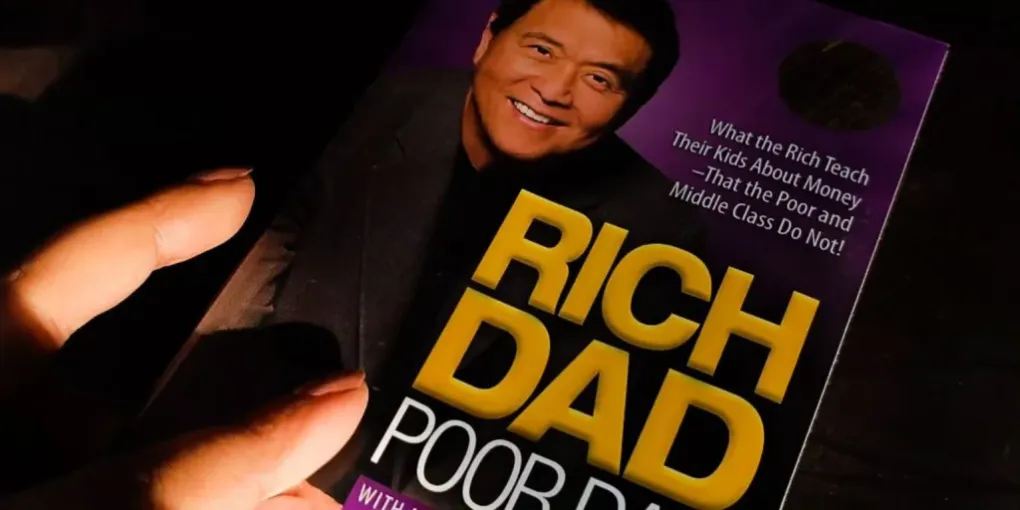
This is the question raised in Rich Dad Poor Dad by Robert T. Kiyosaki—a book that has changed how millions of people think about money, wealth, and financial freedom.
Instead of teaching you how to earn money, it teaches you how money works.
The Core Idea: Two Mindsets About Money
The book is built around two father figures:
- Poor Dad (his real father): educated, hardworking, but financially struggling
- Rich Dad (his friend’s father): less formally educated, but financially smart and successful
Both gave advice—but their thinking was completely different.
“The poor and the middle class work for money. The rich have money work for them.”
This one idea changes everything.
1. The Rich Don’t Work for Money
Most people spend their lives working for a salary. They trade time for money.
But according to the book, wealthy people think differently.
They focus on building systems, investments, and assets that generate income—even when they are not working.
“If you don’t find a way to make money while you sleep, you will work until you die.”
This doesn’t mean quitting your job immediately. It means learning how to make your money grow instead of depending only on effort.
2. Understand the Difference Between Assets and Liabilities
This is one of the most important lessons in the book—and also one of the simplest.
- Assets put money in your pocket
- Liabilities take money out of your pocket
The problem is, many people think they own assets when they actually own liabilities.
For example, a big house or an expensive car may look like success—but if they only cost you money, they are not assets.
“Rich people acquire assets. The poor and middle class acquire liabilities that they think are assets.”
The goal is simple: buy more assets than liabilities.
3. Financial Education Is More Important Than Formal Education
Schools teach us how to get jobs. But they rarely teach us how money works.
This creates a gap.
You may earn well, but still struggle financially if you don’t understand investing, saving, taxes, and financial planning.
“It’s not how much money you make. It’s how much money you keep.”
Learning about money is not optional—it’s essential.
4. Don’t Be Afraid of Taking Risks (But Learn First)
Fear is one of the biggest reasons people stay stuck.
Fear of losing money. Fear of failure. Fear of trying something new.
But the book suggests that avoiding risk completely can be more dangerous in the long run.
“In the real world, the smartest people are people who make mistakes and learn.”
The key is not blind risk—but informed risk.
Learn, understand, and then act.
5. Work to Learn, Not Just to Earn
Most people choose jobs based on salary.
But Rich Dad Poor Dad suggests something different—choose jobs that teach you valuable skills.
Skills like communication, sales, management, and understanding people can be more valuable than a high paycheck.
“Job is just an acronym for ‘Just Over Broke.’”
It’s a harsh statement—but it highlights an important idea: don’t stay stuck in a job that doesn’t help you grow.
6. Mindset Matters More Than Money
Two people can earn the same amount and still have completely different financial outcomes.
Why?
Because of mindset.
A poor mindset focuses on limitations:
- “I can’t afford it.”
A rich mindset asks:
- “How can I afford it?”
“Your future is created by what you do today, not tomorrow.”
The way you think about money shapes the way you use it.
7. Build Passive Income Over Time
Financial freedom is not about being rich overnight.
It’s about building income streams that don’t depend on your daily effort.
This could include:
- Investments
- Businesses
- Digital income sources
- Rental income
The idea is simple: make money work for you.
8. Take Control of Your Financial Life
One of the strongest messages in the book is responsibility.
No one else is responsible for your financial future—not your job, not your boss, not the government.
“The more a person seeks security, the more that person gives up control over their life.”
Taking control starts with awareness, learning, and small steps.
How You Can Apply These Lessons
You don’t need to change your life overnight.
Start small:
- Learn basic financial concepts
- Track your income and expenses
- Start investing, even in small amounts
- Focus on building assets
- Keep learning and improving
Consistency matters more than speed.
Final Thoughts
Rich Dad Poor Dad is not just a book about money.
It’s a book about thinking differently.
It challenges the traditional path and encourages you to take control of your financial future—not by working harder, but by working smarter.
You don’t need to be born rich to become financially free.
But you do need to think differently.
And sometimes, one idea is enough to change everything.