Influence: The Psychology of Persuasion – How to Ethically Win People Over and Never Be Fooled Again

📘 About the Book
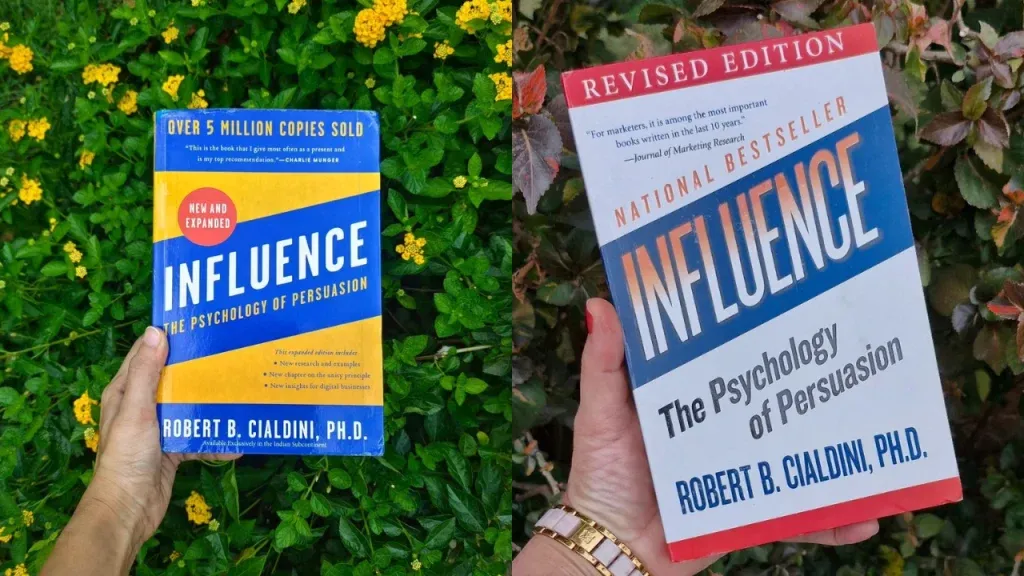
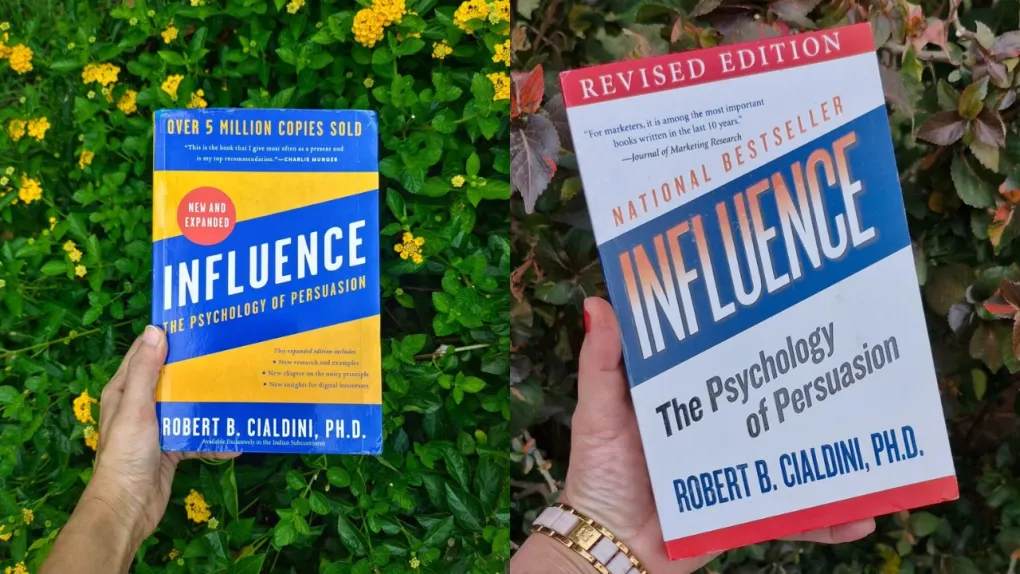
Influence: The Psychology of Persuasion is a timeless classic in marketing, psychology, and human behavior. First published in 1984 and updated since, it reveals how people are influenced — and how you can protect yourself from manipulation.
This book isn’t about manipulation or tricks. It’s about understanding the powerful forces that shape decisions — so you can use them ethically and spot when others use them on you.
👤 About the Author – Dr. Robert B. Cialdini
Dr. Robert Cialdini is a professor of psychology and marketing. He’s considered the godfather of influence science, and his research has helped millions in business, sales, leadership, and everyday life.
He spent 3 years undercover in car dealerships, fundraising firms, telemarketing offices, and more — just to study real-world persuasion.
🧠 Summary — What Influence Is Really About
The book explains 6 universal principles of persuasion — shortcuts our brain uses to make decisions. These are deeply wired into human behavior and can either help or deceive us.
Understanding these principles makes you a better communicator, a more ethical influencer, and a harder person to manipulate.
Each principle comes with stories, experiments, and real-life examples — making this book easy to read and apply, no matter your background.
🗣️ Reader Reviews (Summarized)
| ⭐ Rating | What Readers Say |
|---|---|
| ★★★★★ | “A must-read if you’re in sales, marketing, or leadership. Game-changing!” |
| ★★★★☆ | “So insightful, I started seeing these tactics everywhere. Even in ads.” |
| ★★★★★ | “Should be mandatory reading in schools. We all need to understand persuasion.” |
| ★★★★☆ | “A little technical at times, but overall very eye-opening.” |
| ★★★★★ | “Helped me become more persuasive at work — and avoid getting scammed online.” |
🔑 The 6 Principles of Persuasion Explained Simply
These 6 ideas are why we say “yes” — even when we don’t want to.
1. Reciprocity – People feel pressure to return favors
Ever got a free sample and felt like buying something? That’s reciprocity in action. Give first — and people will often give back.
2. Commitment & Consistency – We like to act in line with our past choices
If someone agrees to a small request today, they’re more likely to agree to a bigger one tomorrow — because saying “yes” feels consistent.
3. Social Proof – We copy others, especially when unsure
That’s why restaurants show “most popular dishes” or websites display “over 5,000 people already signed up.” We trust the crowd.
4. Authority – We listen to experts (or people who look like them)
Doctors, influencers, even people in suits — we tend to believe and follow those who seem credible. But appearances can deceive.
5. Liking – We say yes to people we like
This includes people who are attractive, similar to us, or give us compliments. That’s why marketers often “mirror” your interests or background.
6. Scarcity – The less there is, the more we want it
“Only 3 left!” “Limited time!” “Last chance!”
Scarcity makes us act fast — even if we weren’t planning to. It triggers FOMO (fear of missing out).
🧰 Why You Should Read This Book
-
To influence people ethically
-
To protect yourself from manipulation
-
To understand marketing, sales, and politics better
-
To improve negotiation, job interviews, presentations, and relationships
✅ Final Thoughts — You’re Being Influenced Every Day. Learn How to See It.
Whether you’re making a pitch, writing a post, negotiating a raise, or parenting a child — you’re already using persuasion.
Influence helps you do it better, smarter, and with integrity. And once you understand the psychology behind it, you’ll spot it everywhere — ads, politics, even your inbox.
Read it once, and you’ll never look at human behavior the same way again.