Ikigai Explained: The Japanese Formula for a Meaningful Life

In a world that constantly pushes us to achieve more, earn more, and become more, it’s easy to feel lost.
You might be doing everything “right”—studying, working, planning for the future—and still feel like something is missing. That quiet feeling of emptiness or confusion often comes from one simple question: What is my purpose?
This is where the idea of Ikigai comes in.
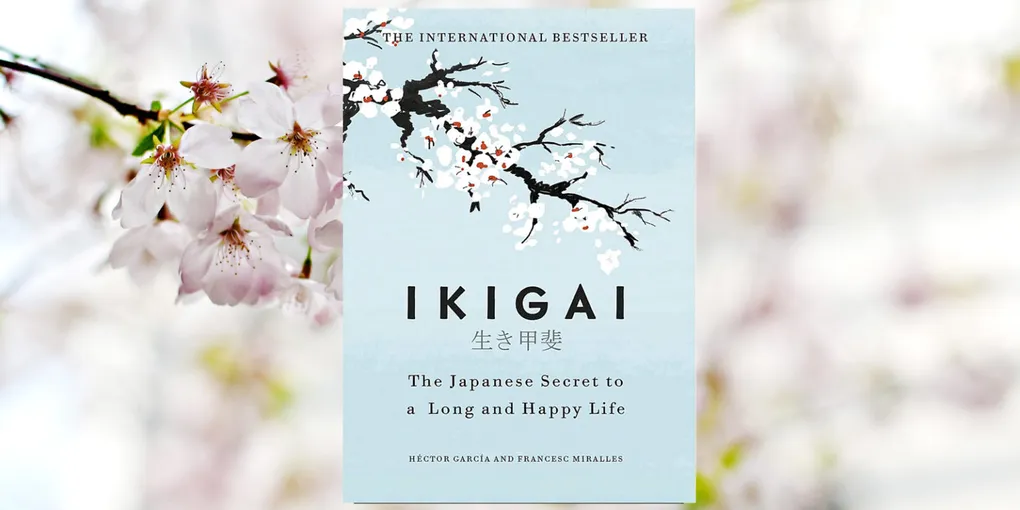
Popularized by the book Ikigai: The Japanese Secret to a Long and Happy Life by Héctor García and Francesc Miralles, Ikigai is a Japanese concept that means “a reason for being.”
It’s not about big achievements or dramatic success. It’s about finding meaning in the small things you do every day—and building a life that feels worth living.
What Is Ikigai, Really?
Ikigai is often explained as the point where four things meet:
- What you love
- What you are good at
- What the world needs
- What you can be paid for
Where these four overlap, you find your Ikigai—your purpose.
But the book makes something very clear: Ikigai is not always one big, life-changing discovery. Sometimes, it’s found in small routines, simple joys, and daily habits.
It could be your work, your passion, your relationships, or even a quiet morning walk.
1. Purpose Doesn’t Have to Be Big
Many people believe they need to find one grand purpose in life.
But Ikigai challenges this idea.
Your purpose doesn’t have to be something that changes the world. It can be something that gives you meaning. Cooking for your family, helping others, learning something new—these can all be forms of Ikigai.
The focus is not on size. It’s on significance.
2. Stay Active, Stay Alive
One of the key lessons from the book comes from the lifestyle of people in Okinawa, Japan—known for their long and healthy lives.
They don’t retire in the traditional sense. Instead, they stay active, engaged, and involved in life.
Having something to wake up for every day—even a small task—keeps both the body and mind alive.
Purpose is not just emotional—it’s physical too.
3. Slow Living Matters
Ikigai teaches the importance of slowing down.
In today’s fast-paced world, we are always rushing—from one task to another, from one goal to the next. But this constant speed can disconnect us from the present moment.
The book encourages a slower, more mindful way of living. Eating slowly, working with focus, enjoying simple moments—these habits create a deeper sense of satisfaction.
4. Do What You Love—But Keep It Real
Following your passion is important, but Ikigai takes a balanced approach.
It’s not just about doing what you love. It’s about finding a way to connect your passion with reality—your skills, your opportunities, and the needs of the world.
This balance helps create a life that is both meaningful and sustainable.
5. Build Strong Relationships
Another key idea in Ikigai is connection.
People who live long and happy lives often have strong social bonds. They stay connected with friends, family, and community.
These relationships provide emotional support, reduce stress, and create a sense of belonging.
Success without connection often feels empty. But even a simple life with meaningful relationships can feel rich.
6. Keep Learning and Growing
Ikigai is not something you find once and keep forever.
It evolves.
As you grow, your interests, skills, and goals may change. And that’s okay. The book encourages continuous learning and self-improvement.
Trying new things, exploring different paths, and staying curious can help you discover new layers of your purpose.
7. Find Joy in Small Things
One of the most beautiful lessons of Ikigai is this: happiness is often found in small, everyday moments.
A good meal, a meaningful conversation, a quiet evening, or even completing a simple task—these can all bring joy.
You don’t need extraordinary experiences to feel fulfilled. You just need to notice the ordinary ones.
How You Can Find Your Ikigai
Finding your Ikigai is not a one-day process. It takes time, reflection, and experimentation.
Here are a few simple ways to start:
- Think about what you enjoy doing without pressure
- Identify your strengths and skills
- Notice what gives you a sense of satisfaction
- Explore how you can use your skills to help others
Start small. Your Ikigai may already be present in your life—you just need to recognize it.
Final Thoughts
The idea of Ikigai is simple, yet powerful.
It reminds us that life is not just about chasing success or achieving big goals. It’s about finding meaning in what we do, staying connected, and living with intention.
You don’t need to have everything figured out.
You just need a reason to wake up each day that feels meaningful to you.
And sometimes, that reason is smaller—and more beautiful—than you expect.
Disclaimer: We earn a small commission from qualifying purchases at no additional cost to you.