9 Phrases Emotionally Intelligent People Use Every Day


You’ve met these people before.
They walk into a room and somehow make everyone feel comfortable. They defuse arguments without raising their voice. They say things that make you think, “Wow, that was exactly the right thing to say.”
They’re not smoother or smarter than everyone else. They just have something most people don’t — emotional intelligence.
And here’s the good news: emotional intelligence isn’t something you’re born with. It’s something you practice. And it often starts with the words you use.
Here are 9 phrases emotionally intelligent people use every day — and why they’re so powerful.
1. “Tell me more about that.”
Most people listen to respond. Emotionally intelligent people listen to understand.
This simple phrase shows genuine curiosity. It tells the other person: I’m interested. I’m paying attention. You matter.
Instead of jumping in with your own opinion, you give the other person space to express themselves fully. And that creates trust — fast.
2. “I could be wrong, but…”
This isn’t weakness. It’s strength.
Starting a statement with “I could be wrong” shows intellectual humility. It signals that you’re open to other perspectives and not attached to being right.
Ironically, this makes people more likely to listen to you — because you don’t sound aggressive or arrogant.
It also opens the door for real conversation instead of a debate.
3. “That must have been really hard for you.”
Validation is one of the most underrated social skills.
When someone shares something painful, most people rush to fix it: “Have you tried…” or “You should just…”
But emotionally intelligent people do something different. They acknowledge the feeling first.
This phrase tells someone: I see your pain. It’s real. You’re not overreacting.
And sometimes, that’s all a person needs to feel better.
4. “What do you need from me right now?”
Instead of guessing what someone needs — advice, space, a hug, distraction — emotionally intelligent people simply ask.
This question is powerful because it puts the other person in control. It says: I want to help, but on your terms.
You’d be surprised how often people just need to hear that someone is willing to show up for them — however they need.
5. “I was wrong. I’m sorry.”
Most people would rather chew glass than admit they were wrong.
But emotionally intelligent people know something important: apologizing doesn’t make you weak. It makes you trustworthy.
A genuine, specific apology — not “sorry if you were offended” but “I was wrong, and I’m sorry for how that affected you” — repairs relationships faster than any excuse ever could.
People don’t expect perfection. They expect accountability.
6. “I need some time to think about this.”
In a world that rewards instant reactions, pausing is a superpower.
Emotionally intelligent people don’t respond when they’re angry, overwhelmed, or caught off guard. They buy themselves time.
This phrase prevents regretful texts, heated arguments, and decisions made from emotion instead of clarity.
It’s not avoidance. It’s wisdom. And it shows the other person that you care enough to respond thoughtfully instead of reactively.
7. “I appreciate you.”
Not “thanks.” Not “cool.” Not a thumbs-up emoji.
I appreciate you.
This phrase hits different because it’s personal. It doesn’t just acknowledge what someone did — it acknowledges who they are.
Emotionally intelligent people use this often because they understand something most people forget: people want to feel valued, not just useful.
8. “Let’s figure this out together.”
When conflict arises, most people default to blame. “You did this.” “This is your fault.”
Emotionally intelligent people shift from blame to collaboration.
“Let’s figure this out together” immediately turns a fight into a partnership. It says: We’re on the same team. The problem is the enemy, not each other.
This one phrase can transform how couples fight, how teams work, and how friendships survive rough patches.
9. “How are you — really?”
Everyone asks “how are you?” Nobody actually means it.
But when you pause, look someone in the eye, and ask “how are you — really?” — something shifts.
It gives the other person permission to be honest. To drop the “I’m fine” mask. To say what they’re actually feeling.
You’d be shocked how many people are waiting for someone — anyone — to genuinely ask.
Why These Phrases Work
Notice something? None of these phrases are clever. None of them are complicated. None of them require a psychology degree.
They work because they do one thing well: they make the other person feel seen.
That’s the core of emotional intelligence. Not being the smartest person in the room. Not having all the answers. But making the people around you feel heard, respected, and valued.
Final Thoughts
Emotional intelligence isn’t about controlling your emotions. It’s about understanding them — in yourself and in others.
And it starts with small things. A better question. A kinder response. A moment of patience when you’d normally react.
These tiny shifts in language can completely change your relationships, your career, and your life.
A Book to Take This Further
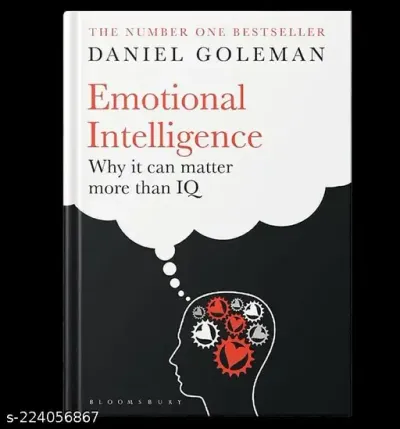
If you want to develop real emotional intelligence, read “Emotional Intelligence: Why It Can Matter More Than IQ” by Daniel Goleman. It’s the book that started the entire conversation about EQ — and it shows why the ability to understand emotions is often more important than raw intelligence.
Disclaimer: We earn a small commission from qualifying purchases at no additional cost to you.