6 Money Mistakes Almost Everyone Makes Before 30


Nobody sat you down at 18 and said, “Here’s how money actually works.”
No teacher. No parent. No one.
So you did what everyone does — you figured it out the hard way. You made mistakes. You wasted money on things that don’t matter. You avoided conversations about finances because they felt overwhelming or boring.
And now, somewhere in your 20s, you’re realizing that some of those mistakes have cost you way more than you thought.
You’re not alone. Almost everyone goes through this. But the sooner you catch these mistakes, the sooner you can fix them.
Here are 6 money mistakes that almost everyone makes before turning 30.
1. Spending to Look Rich Instead of Actually Building Wealth
This is the trap almost everyone falls into.
New phone every year. Branded clothes. Eating out every weekend. Expensive coffee every morning. An apartment you can barely afford because it “looks nice.”
From the outside, it looks like success. But behind the scenes, there’s no savings, no investments, and a lot of stress.
Here’s the uncomfortable truth: looking rich and being rich are two very different things.
The people who are actually building wealth? They don’t look flashy. They drive normal cars. They wear simple clothes. They invest quietly.
Real wealth is invisible. The moment you understand this, your relationship with money changes forever.
2. Not Saving Anything — Because “I’ll Start Later”
“I’ll start saving when I earn more.”
“I’ll invest when I have extra money.”
“Right now, I just need to survive.”
These sound reasonable. But they’re traps.
The truth is — there is never a perfect time to start saving. If you wait for “enough,” you’ll wait forever. Because expenses always grow with income.
Even saving a tiny amount — 5%, 10% of whatever you earn — builds a habit that will protect you for life.
It’s not about the amount. It’s about the behavior.
Start now. Start small. But start.
3. Ignoring Debt Until It Becomes a Monster
A small loan here. A credit card purchase there. An EMI that seemed manageable at first.
Debt has a funny way of growing silently. You don’t notice it when it’s small. But over time, it stacks up. Interest adds up. And suddenly, you’re paying for things you bought years ago — things you don’t even use anymore.
The biggest mistake is pretending debt doesn’t exist. Ignoring it doesn’t make it go away. It makes it worse.
Face it. Write it down. Make a plan to pay it off — even slowly. That first step of acknowledging it is more powerful than you think.
4. No Emergency Fund — Living One Bad Month Away From Crisis
What happens if you lose your job tomorrow? Or your phone breaks? Or you have a medical emergency?
If your answer is “I’d be in trouble” — you’re not alone. Most people in their 20s have zero emergency savings.
And that’s terrifying.
Because life doesn’t wait until you’re financially ready to throw problems at you. It just throws them.
An emergency fund isn’t a luxury. It’s a basic need. Even three months of expenses saved up can be the difference between a stressful situation and a complete crisis.
Build it slowly. Treat it like a bill you have to pay — to yourself.
5. Following the Crowd Instead of Learning for Yourself
“My friend invested in crypto, so I did too.”
“Everyone’s buying that stock, it must be good.”
“I don’t really understand it, but it seems popular.”
This is how people lose money.
Following trends without understanding them is gambling — not investing. And when the market crashes or the trend dies, you’re the one left holding the loss.
Financial literacy is not optional. You don’t need a degree in economics. But you do need to understand the basics — how compound interest works, what an asset is, how to read your own finances.
Don’t follow the crowd. Follow the knowledge.
6. Thinking Your Salary Is Your Only Income
This is probably the most limiting belief people carry in their 20s.
You think income = salary. And if you want more money, you need a better job.
But the truly financially smart people? They think in terms of multiple income streams.
A side project. A small investment. A skill you can monetize. A digital product. Freelancing on weekends.
You don’t need to hustle 24/7. But relying on a single income source is risky. If that one source dries up, everything collapses.
Even one extra income stream — however small — gives you options. And options give you freedom.
Final Thoughts
Money isn’t everything. But not understanding money creates problems that affect everything — your stress, your relationships, your freedom, your peace of mind.
The goal isn’t to become obsessed with money. It’s to become aware of it. To stop avoiding the topic and start making smarter choices.
You don’t need to be perfect. You just need to be intentional.
And the best time to start? Right now.
A Book That Will Change How You Think About Money
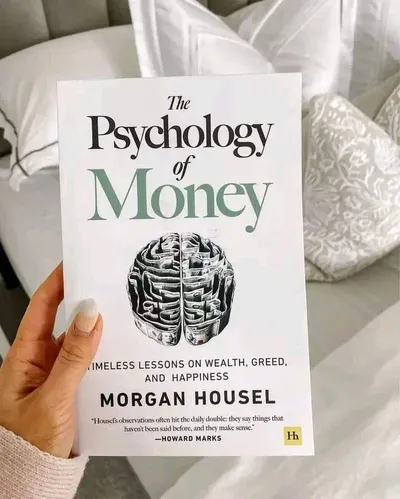
If you want a real, practical guide to managing money — without boring finance jargon — read “The Psychology of Money” by Morgan Housel. It’s one of those books that changes how you see wealth, spending, and financial decisions forever. Simple, powerful, and incredibly eye-opening.
Disclaimer: We earn a small commission from qualifying purchases at no additional cost to you.